最近の投稿
アーカイブ
固定ページ
カテゴリー
美容皮膚科でのレーザー脱毛の特徴と流れ
医療用のレーザーを使う脱毛処理は医療機関でないとできないです。
効果が高いのはクチコミ情報サイトでも実証済みです。
医療レーザー脱毛の技術が日本に導入されたのは1997(平成9)年と比較的新しいです。
今回は【美容皮膚科でのレーザー脱毛の特徴と流れ】についてご説明しましょう。
美容皮膚科でのレーザー脱毛の特徴
まずは技術が優れていることです。
従来はニードル脱毛という方法で、ムダ毛の1本1本に電気を流していくという手間がかかる作業をしていました。
ですがレーザー脱毛技術の導入によって、治療時間は飛躍的に短くなりました。
ニードル脱毛では刺激が強くて無理だとされていた顔やVIOゾーンも脱毛できます。
嬉しい効果は脱毛エステの光脱毛と異なり、永久脱毛が実現できることでしょう。
脱毛するゾーンによって違いますが、2カ月に1度の通院で大丈夫です。
合計6回照射すればムダ毛は綺麗になくなるでしょう。
美容皮膚科でのレーザー脱毛の流れ
第1段階は<脱毛したい部分に照射すること>です。
毛の部分の黒意メラニン色素にだけ反応する特別な波長を使います。
黒くなっている毛の部分だけ熱が吸収されて毛根部分にレーザーがあつまります。
第2段階は<毛根の組織にダメージを与えること>です。
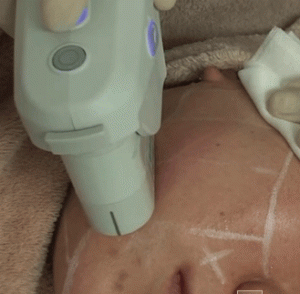
脱毛したい部位に熱を集中したことにより「毛根」と「皮脂腺開口部」は破壊されます。
この2つは発毛のメカニズムを司る働きを持っています。
一回破壊されてしまうと、新しくムダ毛が生えてくることはないです。
第3段階は<自然に毛が抜け落ちること>です。
ダメージを受けた毛はポロリと簡単に抜け落ちてくれます。
まとめ
お肌の影響も心配ないですし、それどころかお肌の表面のキメを整えてくれてツルスベのお肌になります。
毛サイクルは成長期・退行期・休止期があります。
1年間時間をかけて6回程度施術すれば永久脱毛ができるのです。
近頃はアンチエイジングを意識しているのか、熟年の女性でも綺麗をキープしている人が目立ちます。
今回は【美容皮膚科で、しわやたるみをケアして若返る!】いろいろな方法をご紹介しましょう。
ヒアルロン酸注入
人間の皮膚の真皮層にある物質がヒアルロン酸です。
水分を補充して潤いのあるお肌・はりがあるお肌にしてくれます。
加齢によってヒアルロン酸は減少してきて深いシワが刻まれてきます。
その部分にヒアルロン酸を注入すればしわを盛り上げることで張りのあるお肌にしてくれます。
シワ以外にも顎を出したり、鼻を高くしたり、ニキビ痕や目の下のクマのケアにも利用される施術方法です。
ヒアルロン酸注入のポイントは、即効性があることで、とても細い針を使いますから傷跡も目立ちません。
アレルギー体質の人でも心配なく施術出来る特徴があります。
ボトックス注射
シワを作り出す筋肉に対してボツリヌス毒素製剤を注入する方法です。
筋肉を一時的に麻痺させることでシワを作れなくしますから、張りのあるお肌を保てます。
シワが深い場合は、ヒアルロン酸注入と平行してされることも一般的です。
ボトックス注射のポイントは、身体に安全とされているボツリヌス毒素製剤を使うことです。
注射ですから傷跡は残りませんが、3カ月から6カ月に1回の頻度でボトックス注射をしなければならない条件があります。
まとめ
一般的に有名で美容外科で頻繁にされている施術はヒアルロン酸注入とボトックス注射です。
これ以外に「シルエットリフト」「ポラリス・サーマクール」「PRP 濃縮血小板注入療法」「フェイスリフト」「エンドプロテーゼ」などがあります。
いろいろなアプローチがあるので、一度美容皮膚科で相談してみてはどうでしょうか?
what's new
- 2015/08/03
- 美容皮膚科でのレーザー脱毛の特徴と流れの記述変更
- 2015/08/03
- 美容皮膚科で施術してもらえる医療レーザー脱毛の知識の記述変更
- 2015/08/03
- 美容皮膚科で施術する「ヒアルロン酸」注射とは?の記述変更
- 2015/08/03
- 美容皮膚科が女性達に注目されている!の記述変更
- 2015/08/03
- 美容皮膚科でお肌を入れ替える「フラクショナルレーザー」の記述変更
- 2015/08/03
- 美容皮膚科のメリットであるピーリングと医療脱毛・アンチエイジングの記述変更
- 2015/06/11
- 運営者情報を新規追加
- 2015/06/11
- サイトマップの記述変更